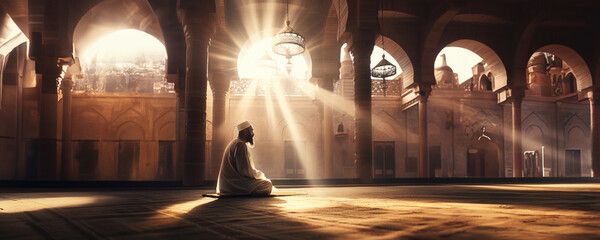
The heart finds solace
in knowing
that Prophet ﷺ loves one
Written by Abidah/Savera @ 03.04.24
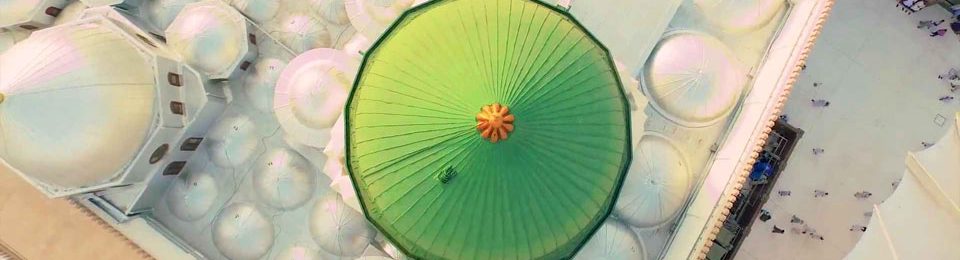
03 Wednesday Apr 2024
The heart finds solace
in knowing
that Prophet ﷺ loves one
Written by Abidah/Savera @ 03.04.24

30 Saturday Mar 2024
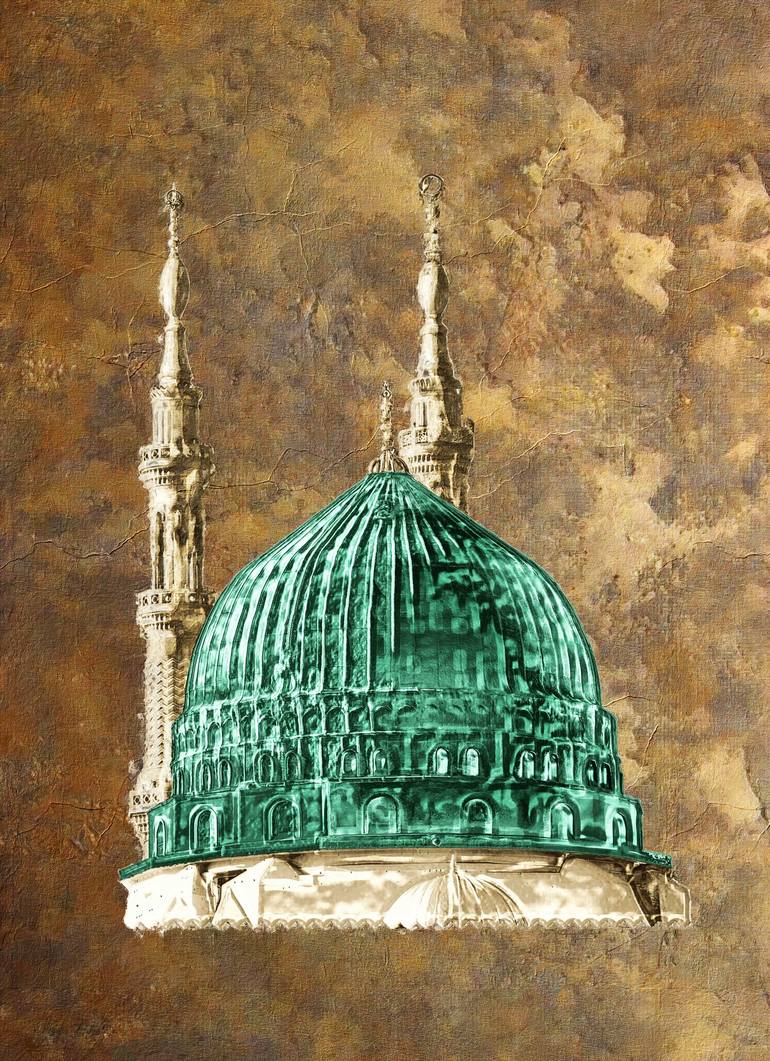
Too hurt to stay away from you ﷺ
Too embarassed to come closer to you ﷺ
– unknown –

15 Friday Mar 2024

I was ashamed.
I told Him,
“I’m a sinner.”
He replied,
“And I am the Most-Forgiving.”

10 Sunday Mar 2024
Posted in Uncategorized

We owe it to ourselves to embrace humanity regardless of color, religion, region… We should remember that the price we pay to be inhumane is huge for those who understand.
As Muhammad Ali has said “Service to others is the rent you pay for your room here on earth!“

01 Thursday Feb 2024
Posted in Savera's poetry
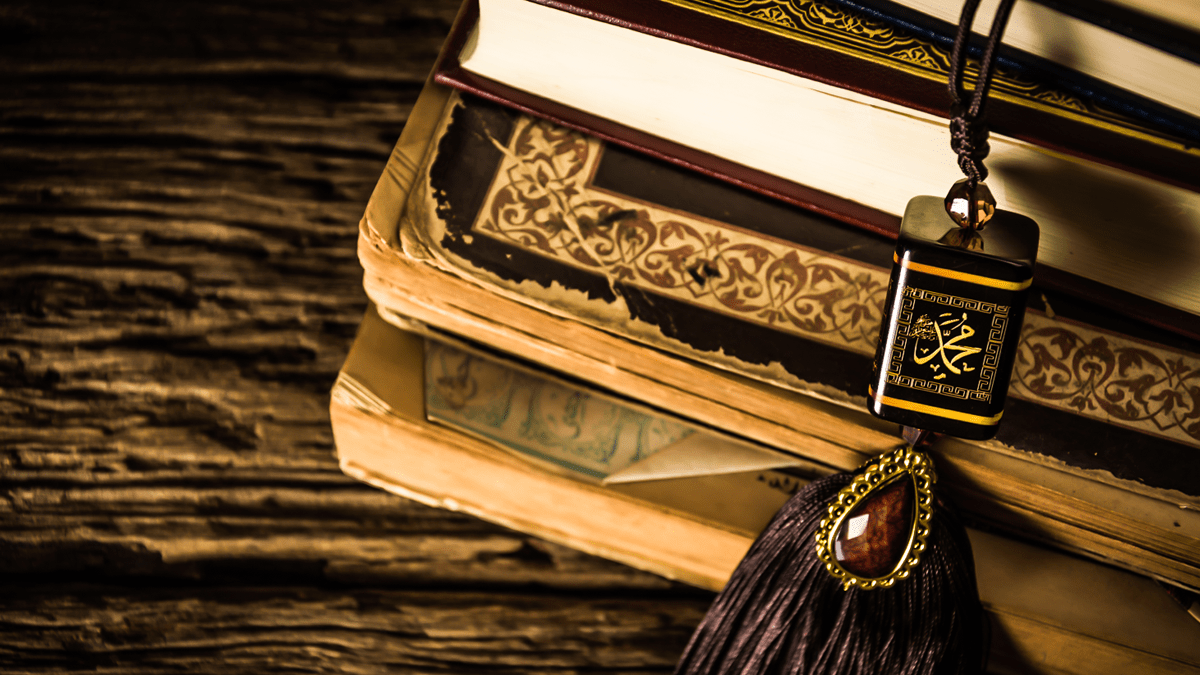
To read is the travel
&
Some journeys bring forth so much for the seeker
written by Abidah/Savera @ 01.02.2024

30 Tuesday May 2023
Posted in Poetry, Savera's poetry
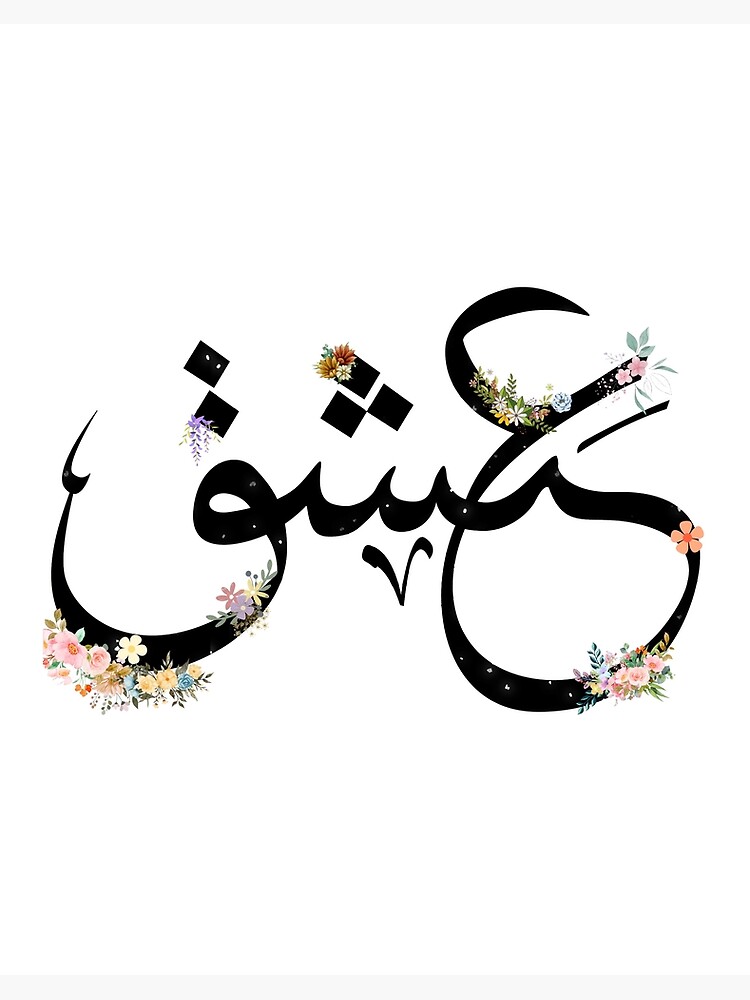
Ae Gham-e-Ishq
Tera Hijr Ho Mukammal
Yehi Hai du’a
Kal, Aaj aur Kal
Written by Abidah/Savera @ 30.05.23

23 Tuesday May 2023
Posted in Quotes

I have travelled through
madness to find me
– Danny Alexander –

11 Saturday Mar 2023
Posted in Savera's poetry, Sufism

Wayfarer are we
travelling upon
the will of the Beloved ﷺ
Written by Abidah/Savera @ 11.03.23

10 Friday Mar 2023
Posted in Savera's poetry

The lover’s proclamation of love seems meaningless compared to the Beloved’s decree of being loved by the lover.
Written by Abidah/Savera @ 10.03.23

05 Sunday Mar 2023
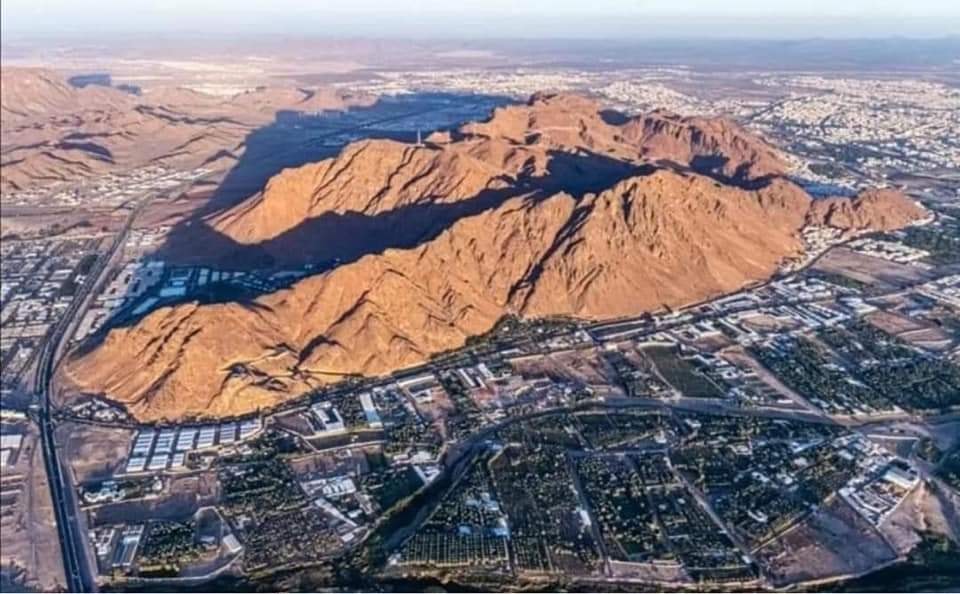
Prophet ﷺ loves Uhud
&
Uhud loves Prophet ﷺ
Therefore, O Uhud
I love you because Prophet ﷺ loves you
&
I love you because you love Prophet ﷺ
Written by Abidah/Savera @ 05.03.23

25 Friday Mar 2022
Posted in Du'a

Allahumma a’inni ala dhikrika, wa shukrika, wa husni ‘ibadatika
O Allāh, help me remember You, to be grateful to You,
and to worship You in an excellent manner)

07 Monday Feb 2022
Mit liv
er en søgen
efter
dine ﷺ fodspor
Written by Abidah/Savera @ 07.02.2022

16 Sunday Jan 2022
Posted in Savera's poetry
Mang Un Ka Karam
Kyounke
Un Ke Ikram Ki
Koi Inteha Hi Nahin
Written by Abidah/Savera @ 16.01.2022

04 Saturday Sep 2021
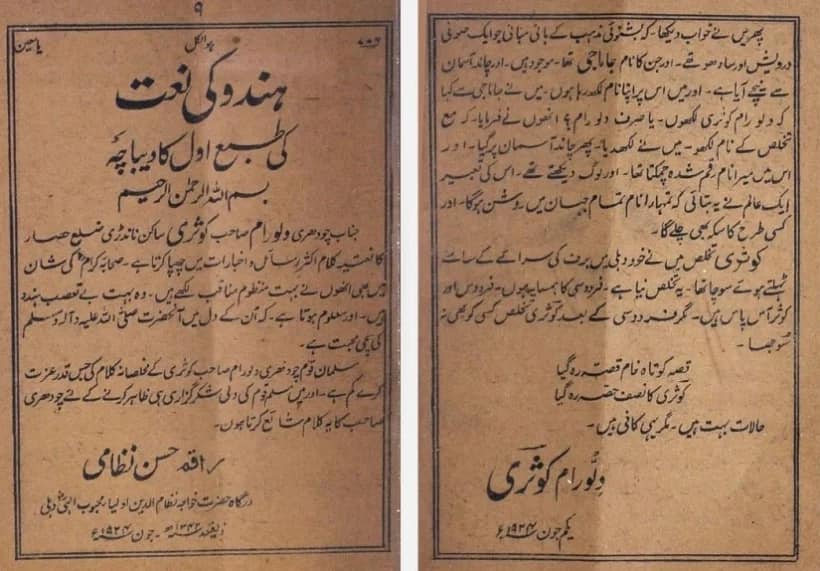
Dillu Ram was a Hindu poet who wrote odes of praise and love in honour of the Prophet ﷺ. His pen name was Kausari.
Hindu Backlash
Both, Muslims and Hindus read the works of Dillu. As he began to increase in his devotion to the Beloved ﷺ, the Hindus accosted him.
They said, “What is the matter with you? You have disgraced the name of Hindus! You are a Hindu and yet you sing praises of and write poetry praising the Prophet ﷺ!”
He replied, “Do not stop me for I am compelled by my love!”
He wrote a beautiful couplet explaining his love:
Kuch ishq e Muhammad ﷺ mein nahin shart e Musulman!
Hai Kausari Hindu bhi talabgaar e Muhammad ﷺ!
Being a Muslim is not a condition for loving Muhammad ﷺ!
Kausari, the Hindu, is also a seeker of Muhammad ﷺ!
The Miracle
Towards the latter part of his life, Dillu became very ill and bedbound. News of his deteriorating health spread throughout India via newspapers and magazines.
It was narrated that on his deathbed, whilst surrounded by loved ones, he kept gazing at the door. After a short while, he stood up with his hands folded and asked those with him to stand.
Astonished and perplexed, the people asked, “What is the matter?” Dillu wept and replied, “The one whom I have spent my whole life praising has arrived! The blessed Father of Fatima ﷺ is here! And I have not even accepted his ﷺ religion! How generous my Beloved ﷺ is!”
The Shahadah
Dillu began to weep and conversed with the Prophet ﷺ. The Beloved ﷺ said, “Dillu Ram! Your time is almost upon you. Azrael is almost here! I do not want anyone who has praised me like you have to go to hellfire! I wish to take you into Paradise with me!”
He recited the Kalimah and then said, “O Master ﷺ! You have taught me the Kalimah now also give me a Muslim name of your choice! I can feel the Angel of Death is almost upon me!”
Dillu was then named Kauthar Ali Kauthari. Soon after, his soul departed from this temporal abode.

25 Wednesday Aug 2021
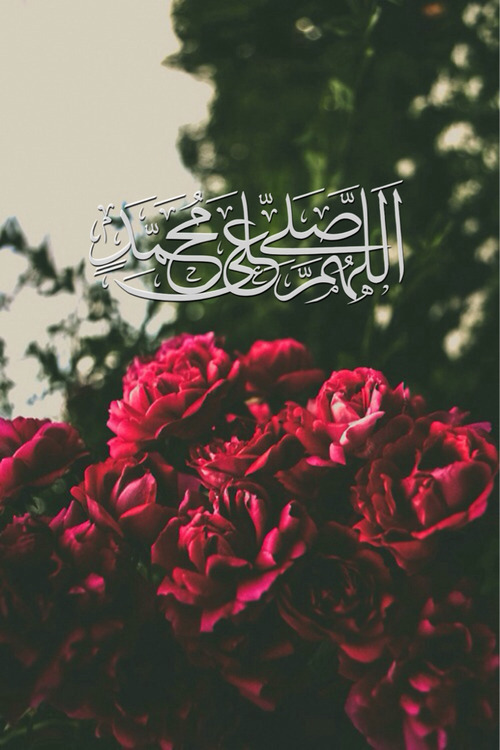
“‘Umar ibn al-Khattab (may Allah be pleased with him) said, ‘Supplication and prayers are suspended between Heaven and Earth. No part of them ascend to Allah until prayers are sent upon the Prophet ﷺ.’ [Sunan al-Tirmidhi]
“It was also narrated that supplications are veiled until the supplicant sends prayers upon the Prophet ﷺ. Ibn Mas’ud said, ‘Whenever one of you wants to ask Allah for something, let him begin by praising and extolling Him as He deserves, then let him send prayers upon the Prophet ﷺ, then let him ask, for this (way) is more worthy and better suited for a reward.'”
– From the book “On Prayers Upon the Prophet ﷺ (Gems from the Shifa of Qadi Iyad) ” by Imam Ghazali Institute. Link: https://www.imamghazali.org/store/on-prayers-upon-the-prophet

22 Sunday Aug 2021
Posted in Muharram, Savera's poetry
Afgør i dag,
Om du er Yazid eller Husayni
For dine handlinger afslører
Hvis fodspor du følger
– Written by Abidah/Savera @ 19.08.21

21 Saturday Aug 2021
Posted in Muharram, Savera's poetry
Death and Misery,
Surrounds us,
Day & Night,
It defines us
In ways
We yet have to Understand
– Written by Abidah/Savera @ 19.08.21

18 Wednesday Aug 2021
Posted in Islamiske events, Muharram
På en skæbnesvanger fredag, 10. Muharram, i Karbalas hede ørken blev Profetens (fred og velsignelser være med ham) højtelskede barnebarn, muslimernes leder, Imam Husayn (må Allah være tilfreds med ham) og hans ledsagere, martyret på grusom vis, af den forbandede Yazid og hans tropper.
Hvem var Husayn ibn Ali (må Allah være tilfreds med ham) og hvordan har hans rolle i Karbala stadigvæk en indflydelse på mange aspekter af det muslimske samfund og tankegang? Hvorfor ofrede han alt for Islam? Hvad kan vi lære af dette? Få svar på disse spørgsmål i dette foredrag som blev afholdt i forbindelse med programmet “Husayn ibn Ali – Ahl al-Bayt og slaget ved Karbala!”.

18 Wednesday Aug 2021
Posted in Islamiske events, Muharram
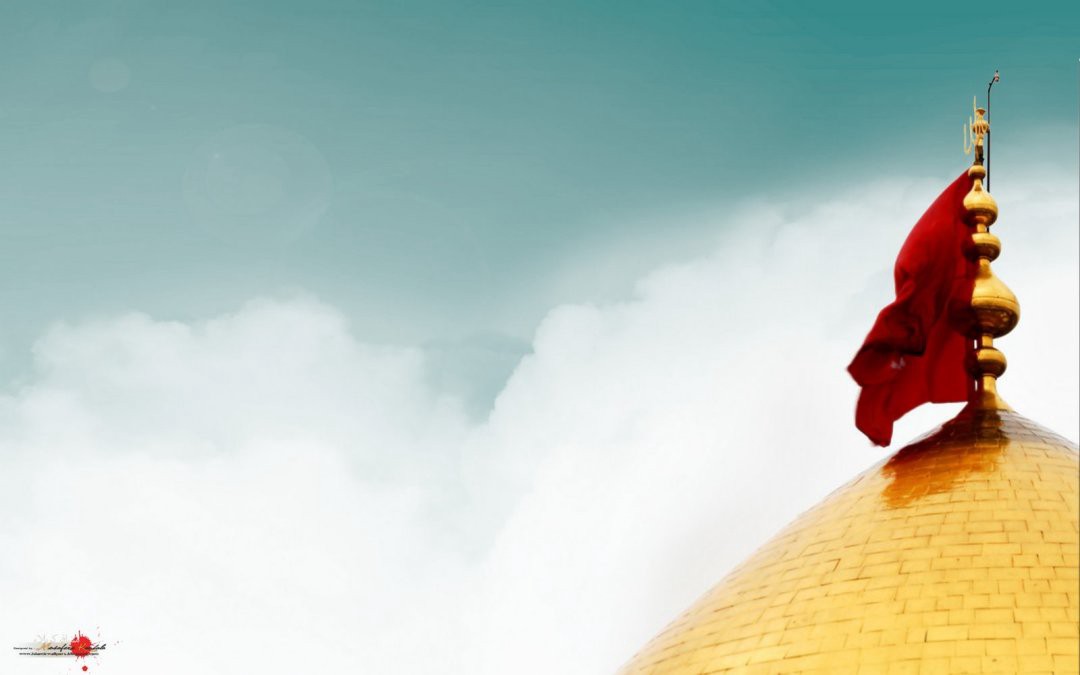
After Kufa, such a wind blew to our hearts;
We never trusted any letter ever again.
– Unknown-

09 Tuesday Mar 2021
Posted in Rumi

The Sufi‘s book is not composed of ink and letters: It is naught but a heart white as snow. The scholar‘s provisions are the marks of the pen. What are the Sufi‘s provisions? The footprints of the saints. – Rumi (p. 131)
― William C. Chittick, Sufi Path of Love: The Spiritual Teachings of Rumi ―

06 Saturday Mar 2021
Posted in Mir'aj un-Nabi

From Heaven did Nûr Travelled to the Haram (Makkah)
Information about my sins reached the Karam (Prophet ﷺ)
Your ﷺ Mi’raj was such that no knows where You ﷺ went
My Mi’raj is that I have reached Your Blessed Feet ﷺ

15 Tuesday Dec 2020
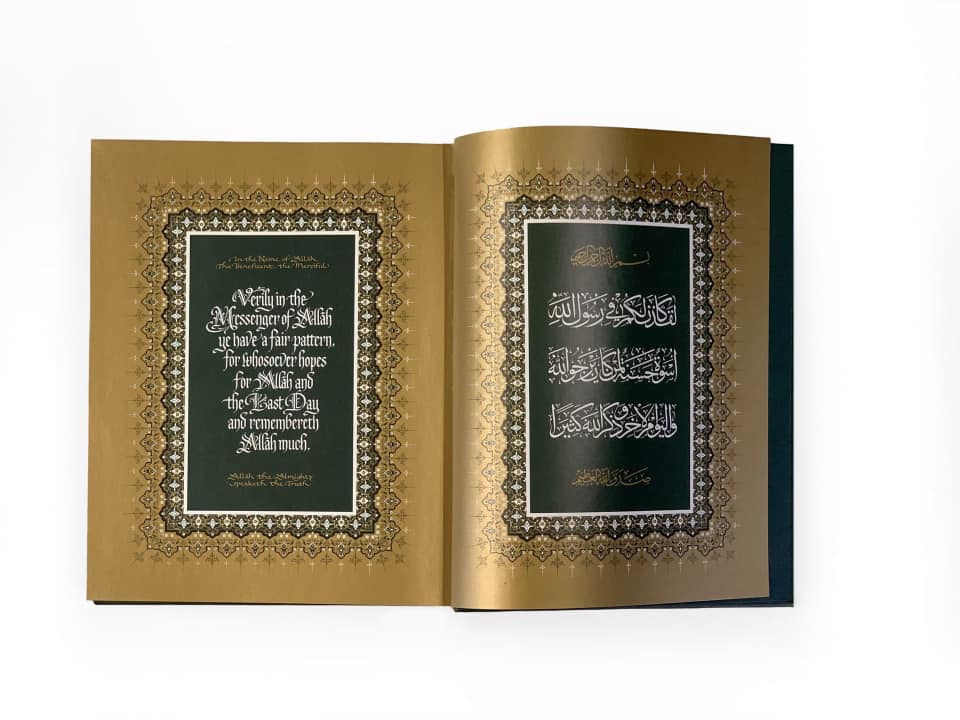
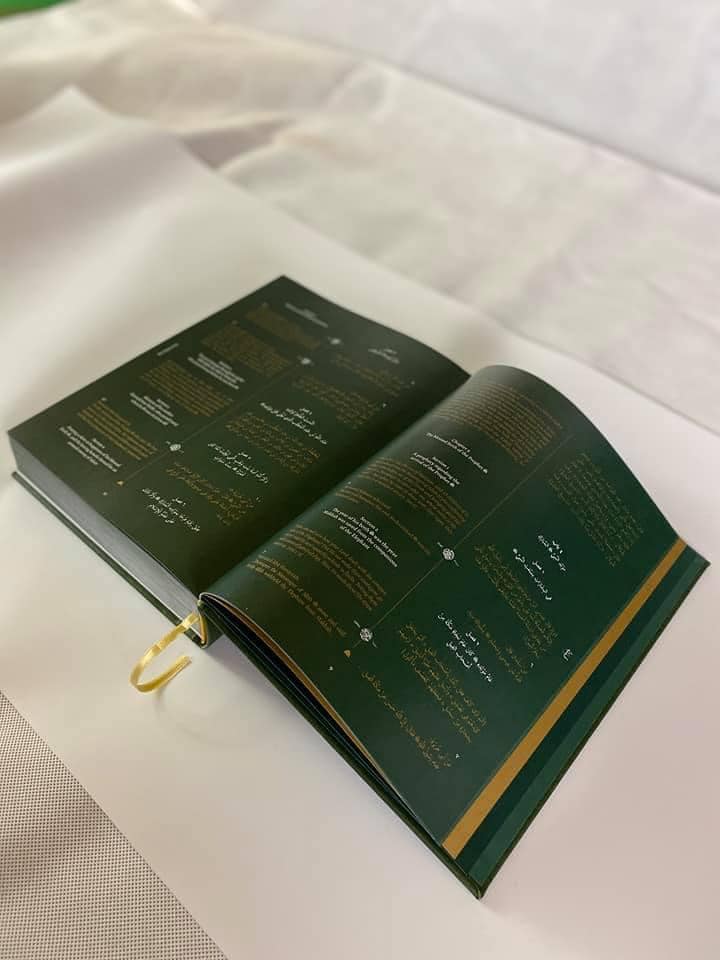


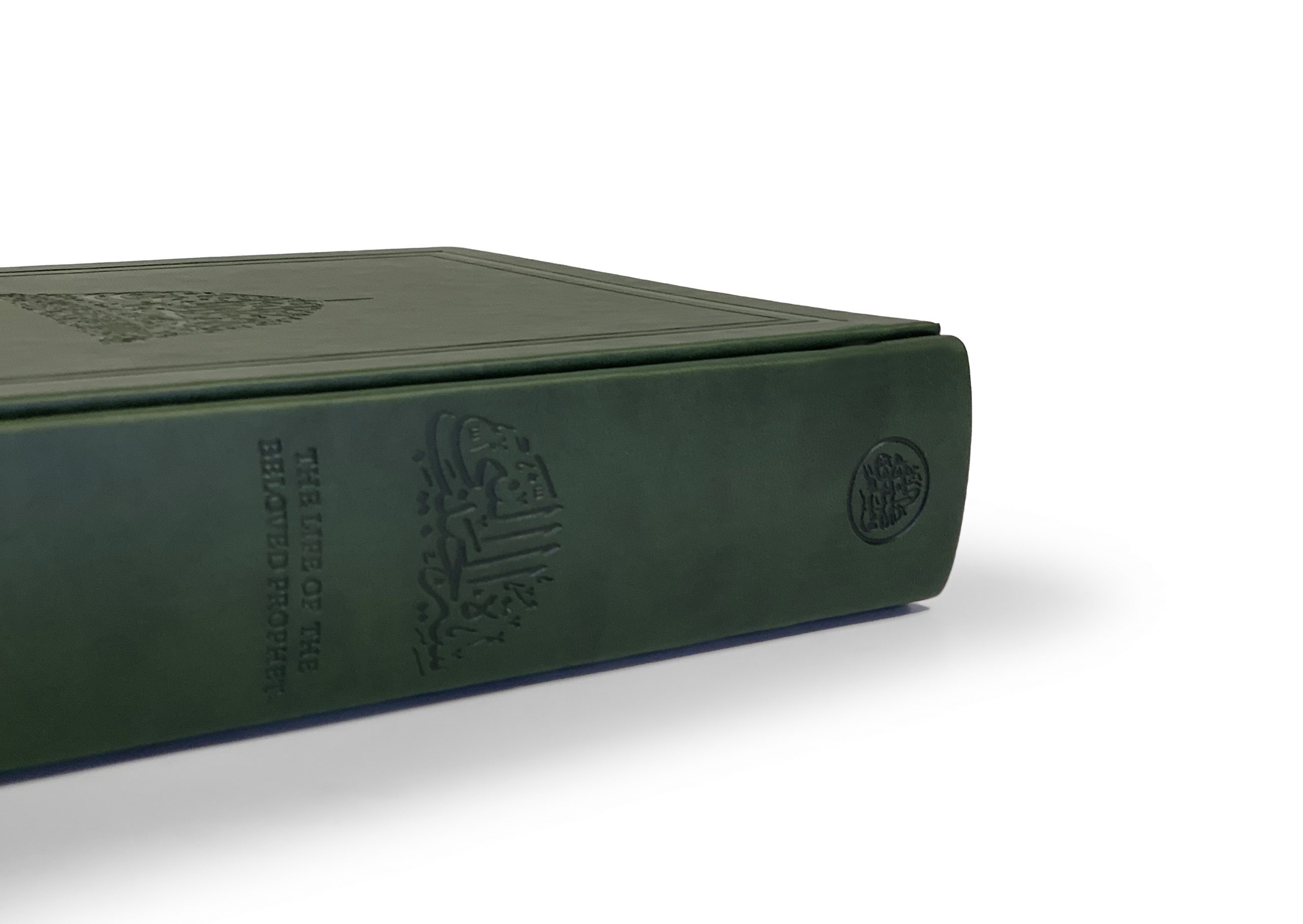
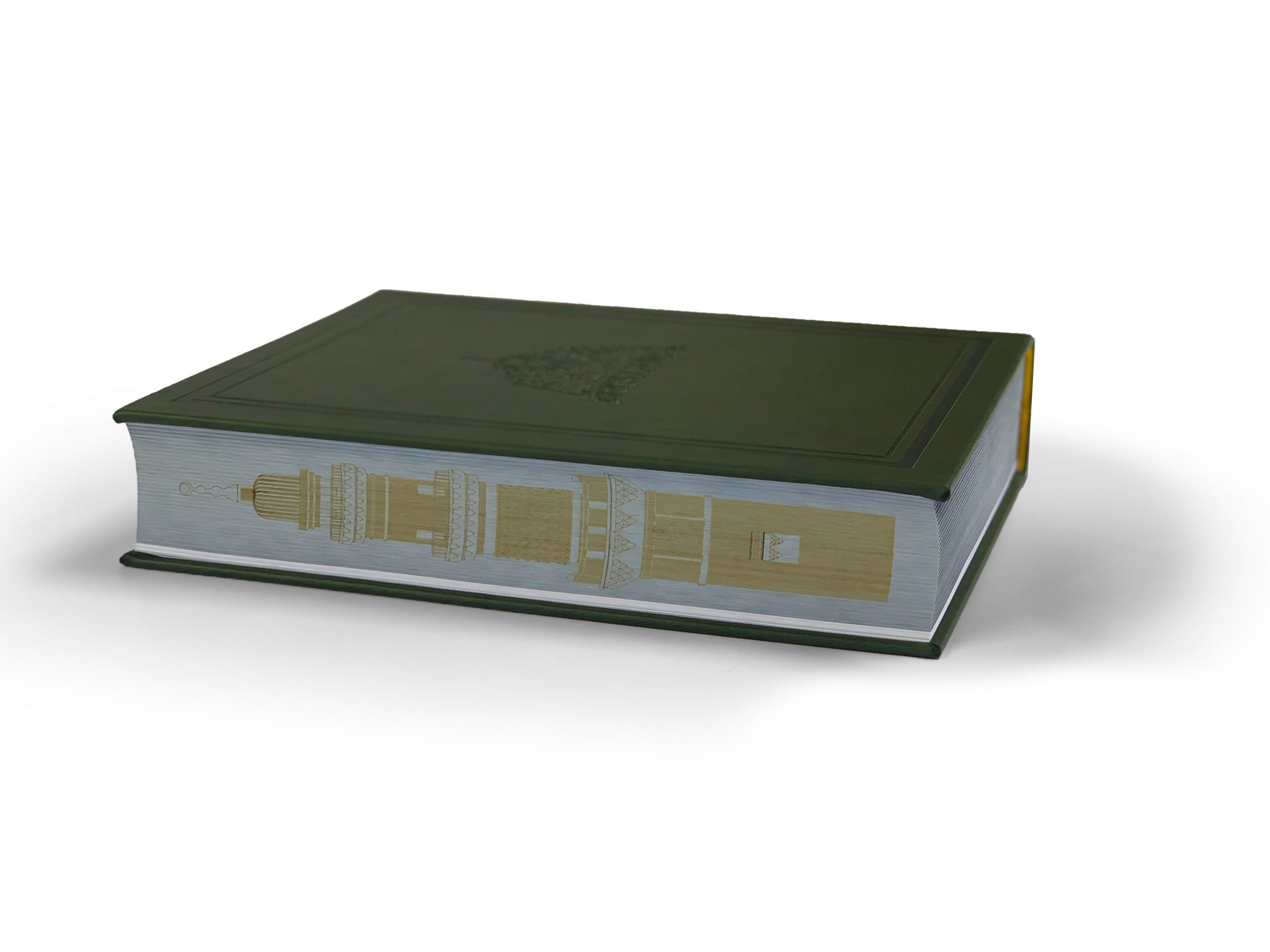
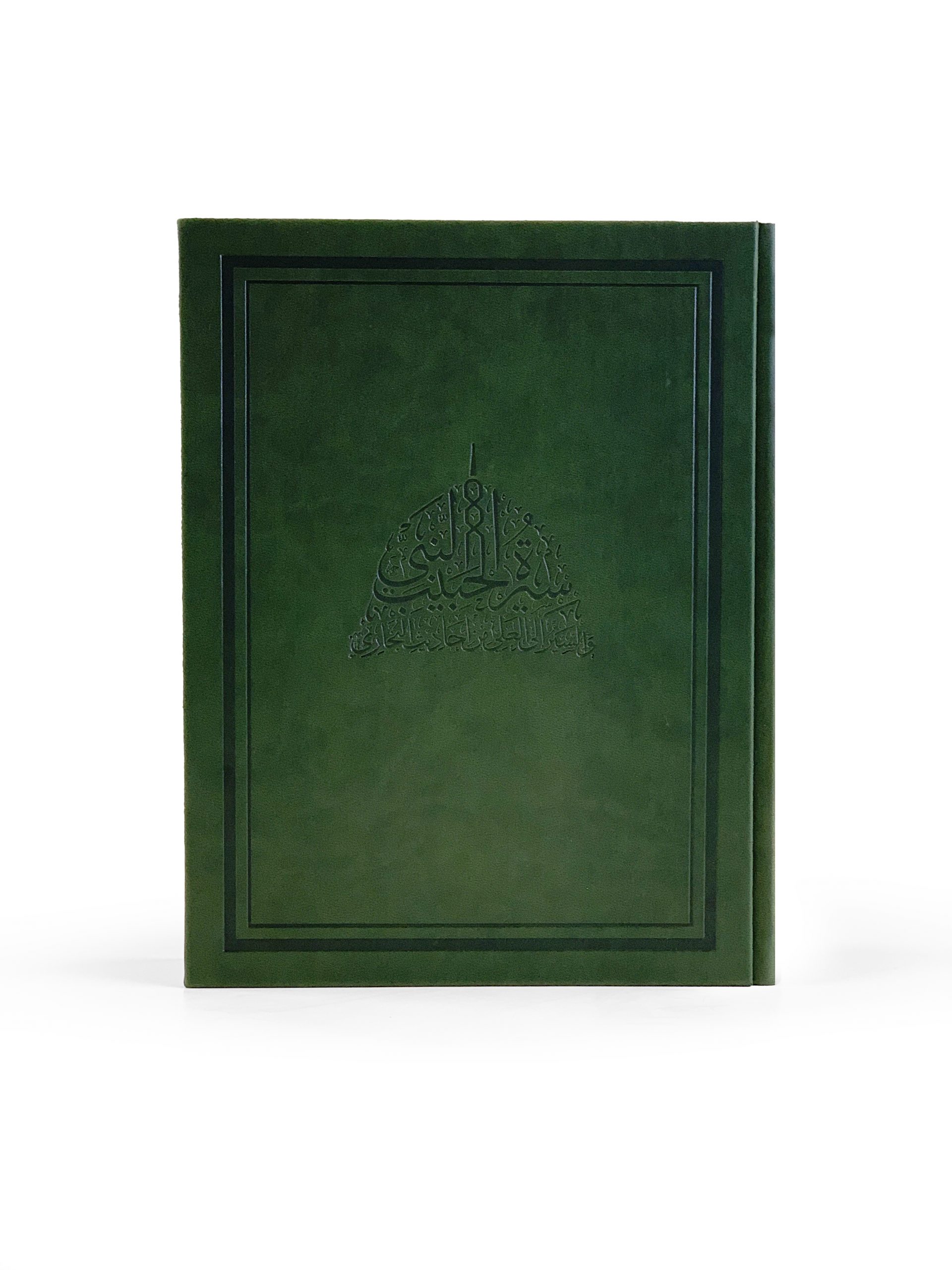
I was very honoured to recieve this book in the post today – I must say that I am speechless. The beauty of this book is breathtaking and I am so honored to be able to have this gem in my collection.
There were only 313 copies printed and distributed, each of which had one of the names of the great 313 Sahaba (companions) of the Prophet ﷺ from the great battle of Badr written into each book.
I got a book that was dedicated to Sayyiduna Aws ibn Khanli ibn ‘Abdillah (radi ‘Allahu ‘anhu)Whoever managed to get a copy of this masterpiece is very fortunate indeed.
May Allah reward Love’s Pilgrim: A Spiritual Journey for presenting the life of the Prophet ﷺ to us in such a beautiful way.
Official video: https://youtu.be/L9SagXbTbFk

14 Saturday Nov 2020
Posted in Darud Shariff
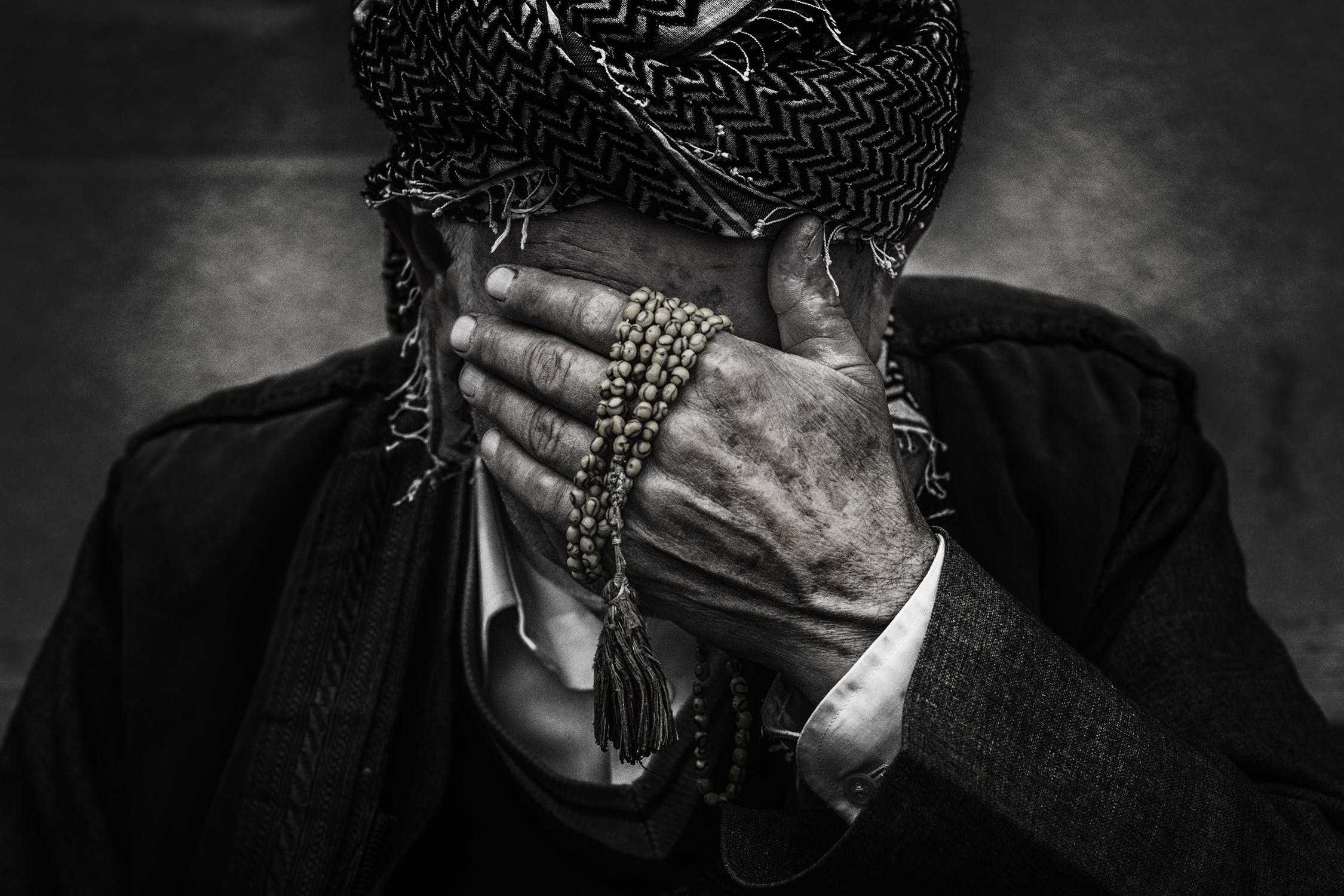
“O Allah, O Forgiving One, Send Blessings and abundant Peace upon Your slave and beloved, our master, Muhammad, the Prophet who is the key to the door of Your forgiveness, and upon his family and companions, and by him, forgive my past and future sins extensively.”
Excerpts from IGI’s new translation of Habib ‘Umar’s Prayers on the Beloved.

13 Friday Nov 2020
Posted in Darud Shariff
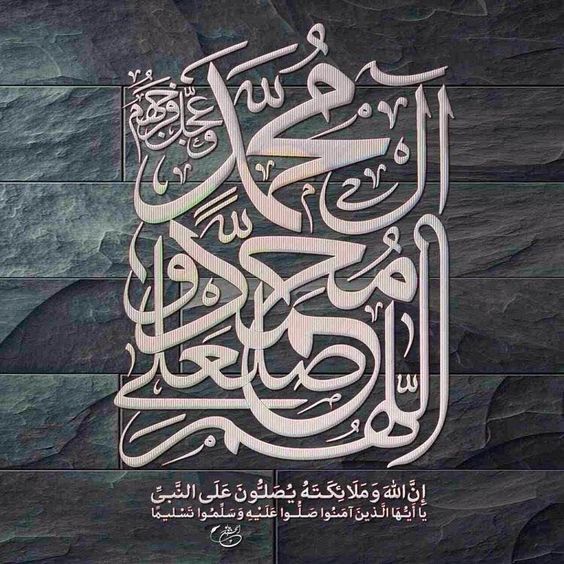
اللّٰهُمَّ يا اللهُ يا مُجِيبُ صَلِّ عَلى عَبْدِكَ وَحَبِيْبِكَ سَيِّدِنا مُحَمَّدٍ النَّبِيِّ المُجِيب وَعَلى آلِهِ وَصَحْبِهِ وَسَلِّمْ تَسْلِيْماً وَكُنْ لِدُعائِنا بِهِ مُجيباً وَاجْعَلْنِي لِنِدائِكَ وَنِدَائِهِ مُلَبِّياً مُسْتَجِيباً
“O Allah, O Responsive One, Send Blessings and abundant Peace upon Your slave and beloved, our master, Muhammad, the responsive Prophet, and upon his family and companions, and through him, answer our supplications and make me highly responsive to Your call, and his call.”
Excerpts from IGI’s new translation of Habib ‘Umar’s Prayers on the Beloved.

26 Wednesday Aug 2020
Posted in Iqbal

The Islamic Year begins with sacrifice and ends with sacrifice.
Dr Allama Iqbal beautifully writes:
غریب و سادہ و رنگیں ہے داستان حرمنہایت
اس کی حسین ابتدا ہے اسماعیل
Strange, mysterious and unique is the sacred journey,
it begins with Ismail and ends upon Husayn!

26 Friday Jun 2020

Khuda Tujhe Kisi Toofan Se Aashna Kar De
K Tere Beher Ki Maujoon Mein Izterab Nahin
May Allah introduce your soul to a storm
since the waves of your ocean lack passion
– Allama Iqbal –

20 Saturday Jun 2020
Posted in Quotes

O soul,
remember that you’re a traveler,
so don’t be surprised when your feet ache.
– unknown –

16 Tuesday Jun 2020
Posted in Amir Khusro, Poetry

If I cannot see her,
at least I can think of her,
and so be happy;
To light the beggar’s hut no candle is better than moonlight.
– Amir Khusro –

06 Saturday Jun 2020
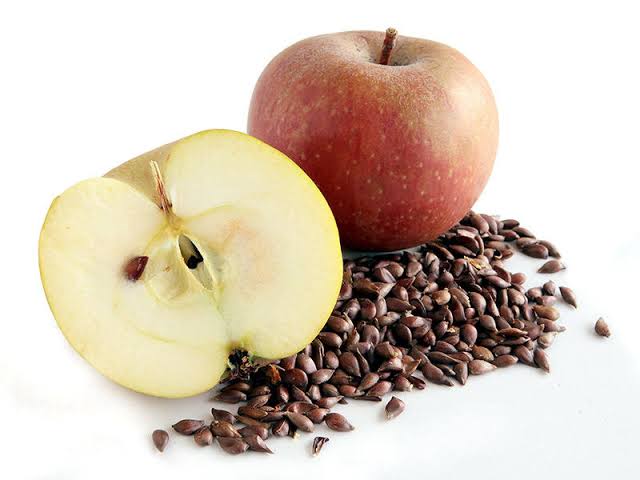
Anyone can count
the seeds in an apple,
but no one can count
the apples in a seed.
– Robert H. Schuller –

24 Sunday May 2020
Today I pray
that happiness will be at your door,
may it knock early,
stay late &
leave the gift of
Allah’s Satisfaction, Love, Joy & good health behind

Light upon Light
Allah has encompassed all things in knowledge (65:12)
Vejen til velvære
- etiske og teologiske refleksioner
Ahl Sunnah Wa Jama'ah
Umara Ahmad's Urdu Novels
encouraging life long reading and continuous spiritual progress, inshaAllah....
Just another WordPress.com weblog
An Arab's life in Denmark
And We did not send you (O dear Prophet Mohammed – peace and blessings be upon him) except as a mercy for the entire worlds.(Surah Al-Anbiya: Verse 107)
Orthodox Sunni Islam
Islam is a hidden treasure longing to be known.
The greatest WordPress.com site in all the land!
Rajneessh Kumar
A Journey Called Life
Art,Calligraphy and special sights of Masjid e Nabawi and Masjid al Haram
 Towards Enlightment